In the evolving world of e-commerce, two names dominate consumer discussions — Temu and Amazon. Both platforms have reshaped how Americans shop online, offering everything from daily essentials to luxury gadgets. However, when it comes to Temu vs Amazon, the comparison reveals deep contrasts in pricing, shipping, product variety, and customer experience. This article explores how these two e-commerce giants stack up in 2025, especially for U.S. shoppers looking for affordability, reliability, and convenience.
The Rise of Temu in the U.S. Market
Temu entered the American market in 2022 as an emerging marketplace owned by PDD Holdings — the parent company of Pinduoduo. Its rapid rise can be attributed to aggressive marketing campaigns, unbeatable discounts, and free shipping offers that attracted millions of budget-conscious shoppers.
Unlike Amazon, which built its empire over decades, Temu gained massive traction within months thanks to its low prices and viral TikTok marketing strategy. The app has quickly become one of the most downloaded shopping platforms in the United States. Temu’s competitive advantage lies in connecting consumers directly to Chinese manufacturers, removing middlemen, and offering prices far below those on Amazon.

The Rise of Temu in the U.S. Market
Amazon’s Established Dominance
Amazon, founded in 1994, remains the global benchmark for online retail. Its vast logistics network, quick delivery options, and strong reputation for customer trust make it an undisputed leader in e-commerce.
Amazon Prime, with its same-day and next-day delivery options, sets a gold standard that Temu still struggles to reach. Moreover, Amazon’s ecosystem — including Alexa, Kindle, and Prime Video — keeps customers engaged beyond just shopping. However, Amazon’s pricing is often higher than Temu’s, reflecting its emphasis on quality control, faster delivery, and established brand relationships.
Product Range and Quality
Temu’s Vast but Variable Product Selection
Temu’s product catalog includes everything from clothing, gadgets, and home decor to automotive accessories. The platform appeals to bargain hunters looking for unique or trending products at incredibly low prices.
However, one challenge with Temu is the variability in product quality. Since many items come directly from manufacturers, quality control is inconsistent. Some buyers report excellent value, while others experience subpar materials or inaccurate descriptions. Temu is working to improve this by enhancing its review system and providing buyer protection policies, but the reliability gap remains.
Amazon’s Consistency and Brand Trust
Amazon, in contrast, offers a more consistent shopping experience. Products sold and fulfilled by Amazon usually meet higher quality standards. In addition, verified customer reviews and return policies make Amazon a safer choice for those prioritizing trust and dependability.
While third-party sellers on Amazon can also have varying product quality, the platform’s strong dispute resolution system provides confidence to consumers who want a reliable shopping experience.
Product Range and Quality
Pricing and Discounts
Temu’s Unbeatable Bargain Strategy
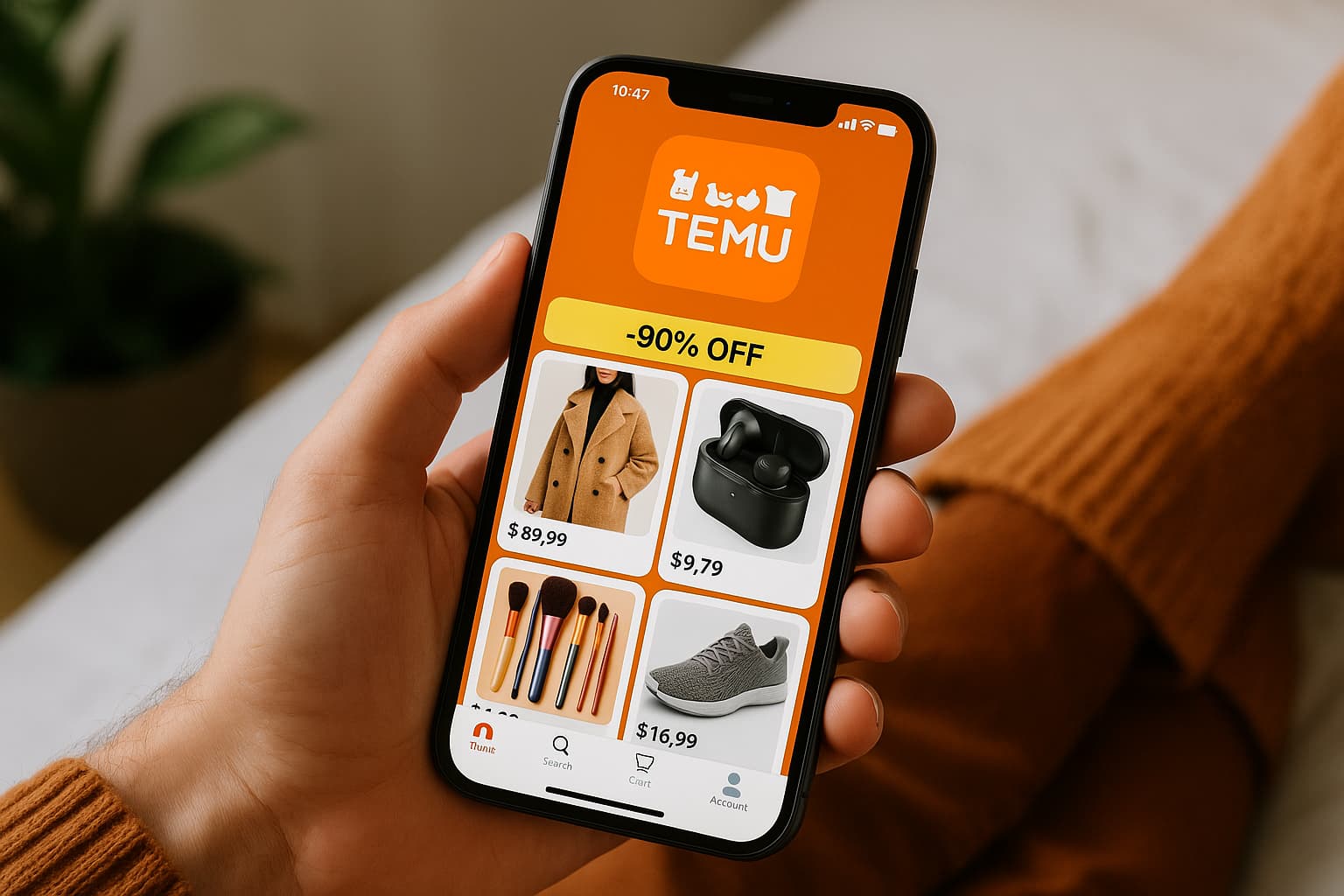
Temu’s pricing strategy is its strongest weapon. The platform’s discounts can reach up to 90% off retail prices, with regular flash sales and coupons that keep shoppers returning.
Temu leverages bulk purchasing and direct sourcing to offer these deep discounts. However, this low-cost model often comes with longer shipping times and less rigorous quality control.
For shoppers who prioritize savings over speed, Temu is the clear winner in the Temu vs Amazon comparison.
Amazon’s Competitive Yet Premium Pricing
Amazon’s prices are typically higher, but they reflect value-added services like Prime shipping, product authenticity, and reliable returns. The company also uses dynamic pricing — adjusting costs based on demand and competitor rates — to stay competitive. While Amazon may not always be the cheapest, it offers peace of mind that many U.S. shoppers are willing to pay for.
Shipping and Delivery
Temu’s Long Wait vs. Free Shipping
Temu’s shipping model emphasizes affordability. Most products are shipped directly from China, resulting in delivery times between 7 and 20 days. The company compensates for this by offering free standard shipping and frequent free return options.
Temu has started expanding U.S.-based warehouses to shorten delivery times, but it still cannot match Amazon’s lightning-fast logistics.
Amazon’s Speed and Efficiency
Amazon’s fulfillment network is unmatched. With Prime, millions of items can arrive within one or two days, and same-day delivery is available in many cities.
This efficiency gives Amazon a major advantage in the Temu vs Amazon debate for buyers who prioritize speed. The convenience of fast, reliable delivery is often enough to justify higher prices.
Customer Service and Return Policies
Temu’s Improving but Limited Support
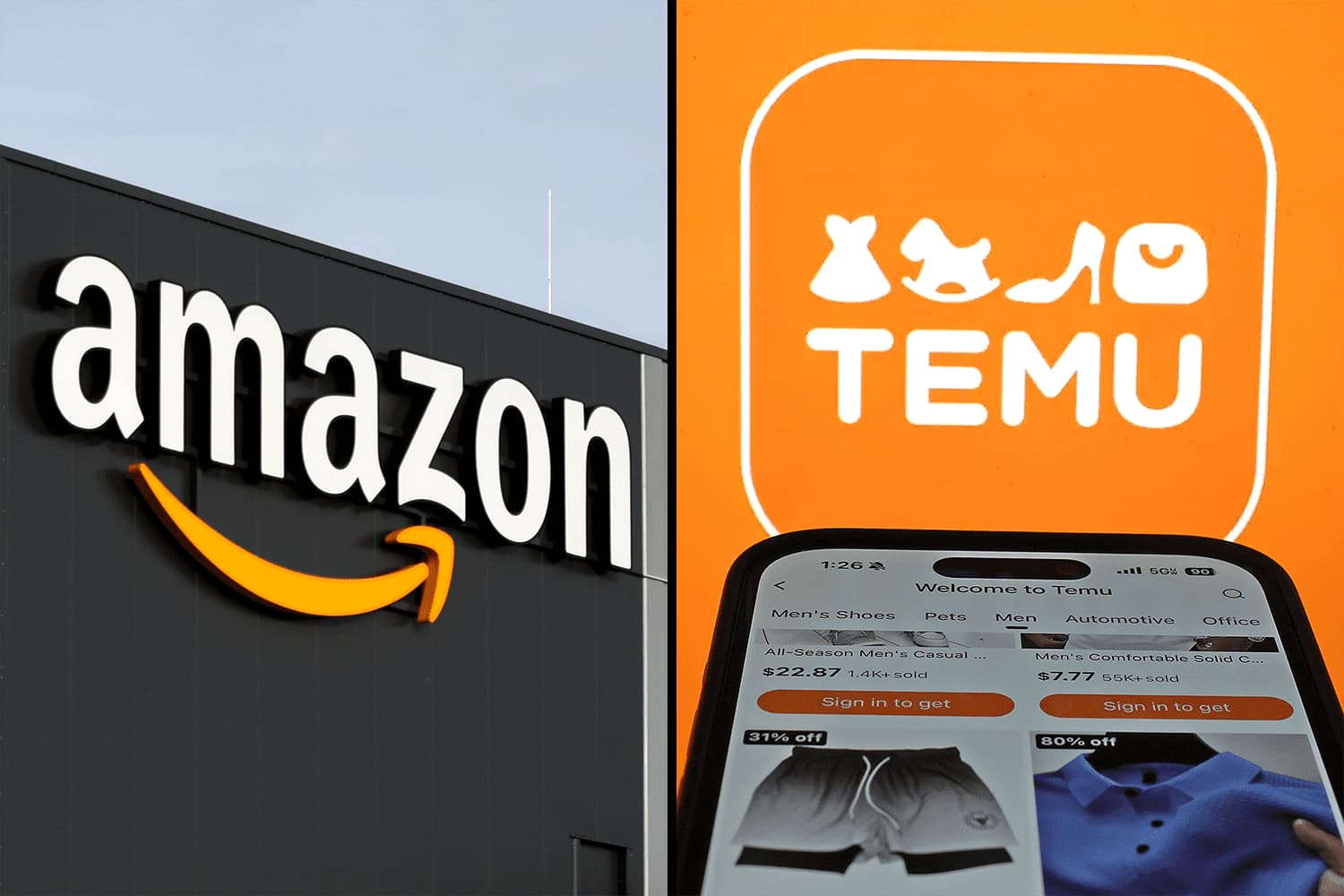
Temu’s customer service has evolved rapidly, offering 24/7 in-app support and an easy return system for most products within 90 days. However, communication issues and inconsistent resolutions are still common complaints among users. Because Temu operates primarily as a marketplace connecting consumers with overseas sellers, handling disputes can sometimes take longer.
Amazon’s Gold Standard in Customer Care
Amazon’s customer service remains a model in the e-commerce world. Returns are simple, refunds are fast, and support is responsive. Amazon’s A-to-Z Guarantee ensures customers are protected even when buying from third-party sellers.
This reliability has helped Amazon maintain customer loyalty for decades.
Customer Service and Return Policies
Mobile Shopping Experience
Temu’s mobile app is designed for entertainment-driven shopping. Its gamified interface, spin-to-win deals, and personalized recommendations make shopping addictive and fun. This approach resonates strongly with Gen Z users who value engagement as much as savings.
Amazon’s app, while more functional, focuses on efficiency and reliability. It offers a cleaner interface and better search functionality, catering to users who prefer quick, goal-oriented shopping. In the Temu vs Amazon app comparison, Temu appeals to impulse buyers, while Amazon serves those who prioritize practicality.
Sustainability and Ethical Considerations
Consumers are increasingly concerned about sustainability and ethical sourcing. Amazon has taken notable steps toward eco-friendly packaging, carbon-neutral delivery initiatives, and stricter labor practices among suppliers.
Temu, however, faces criticism for contributing to overconsumption and waste due to its ultra-low-cost, fast-fashion approach. The platform’s dependence on inexpensive manufacturing raises questions about environmental impact and worker conditions.
In this aspect of Temu vs Amazon, Amazon takes the lead with its ongoing efforts toward sustainability.
Which Platform Is Better for U.S. Shoppers?
Choosing between Temu vs Amazon depends on your priorities.
-
Choose Temu if you value affordability, frequent deals, and don’t mind waiting longer for delivery. It’s ideal for low-cost shopping, home accessories, and trending fashion.
-
Choose Amazon if you prefer quick shipping, verified quality, and dependable customer service. It’s best for essential purchases, electronics, and branded items.
For many U.S. consumers, the ideal approach is a mix — using Temu for fun, low-cost purchases and Amazon for reliable essentials.
In the ongoing competition of Temu vs Amazon, both platforms serve distinct audiences in 2025. Temu wins on price and variety, while Amazon dominates in reliability and speed. As Temu continues expanding in the U.S. market, it’s likely to challenge Amazon’s dominance even further, pushing both platforms to innovate and enhance the online shopping experience. Ultimately, the choice between Temu and Amazon reflects your shopping personality — whether you’re a deal-seeker chasing savings or a convenience-driven buyer who values trust and speed.